

Recovering from Tailbone Injuries
Tailbone pain—clinically referred to as coccydynia—can significantly interfere with sitting, standing, and everyday movement. It is commonly caused by trauma (such as falls), prolonged sitting on hard surfaces, poor posture, childbirth, or biomechanical imbalances in the pelvis and lower spine. Chiropractic care offers a conservative, non-invasive approach that can address both the symptoms and underlying causes of tailbone pain.
Understanding Tailbone Pain
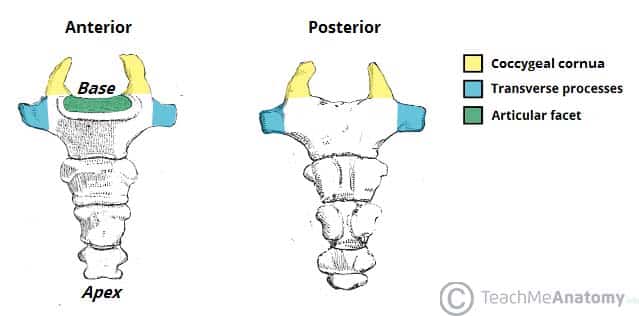
The tailbone, or coccyx, is a small triangular bone at the base of the spine composed of three to five fused vertebrae. It serves as an attachment point for ligaments, muscles, and pelvic floor structures. When the coccyx is misaligned, inflamed, or restricted in movement, pain can develop—often worsening when sitting or transitioning from sitting to standing.

Chiropractic Assessment and Diagnosis
Chiropractors begin with a thorough evaluation, which may include a detailed health history, posture analysis, orthopedic testing, and palpation of the pelvis and lower spine. In some cases, imaging such as X-rays may be used to assess coccygeal alignment, pelvic tilt, or sacroiliac joint dysfunction. This comprehensive approach helps identify whether tailbone pain is coming directly from the coccyx or indirectly from surrounding structures.
Spinal and Pelvic Adjustments
One of the primary ways chiropractors address tailbone pain is through targeted spinal and pelvic adjustments. Misalignments in the lumbar spine, sacrum, or sacroiliac joints can alter biomechanics and place excessive stress on the coccyx. Gentle adjustments aim to restore proper joint motion, reduce nerve irritation, and improve overall alignment, which can significantly decrease tailbone discomfort.
In select cases, chiropractors trained in advanced techniques may perform external or internal coccygeal mobilization to address restricted movement of the tailbone itself. These techniques are applied carefully and only when clinically appropriate.
Soft Tissue Therapy and Muscle Balance
Tailbone pain is often associated with tight or imbalanced muscles, particularly in the pelvic floor, gluteal region, hip flexors, and lower back. Chiropractors frequently incorporate soft tissue therapies such as myofascial release, trigger point therapy, or instrument-assisted techniques. These methods help reduce muscle tension, improve circulation, and support healing around the coccyx.
Postural Correction and Ergonomic Guidance
Poor posture—especially prolonged slouching while sitting—can aggravate tailbone pain. Chiropractors provide practical guidance on sitting mechanics, workstation ergonomics, and the use of supportive cushions (such as donut or wedge cushions) to reduce pressure on the coccyx. Postural retraining helps prevent recurring stress and supports long-term relief.
Rehabilitation Exercises and Home Care
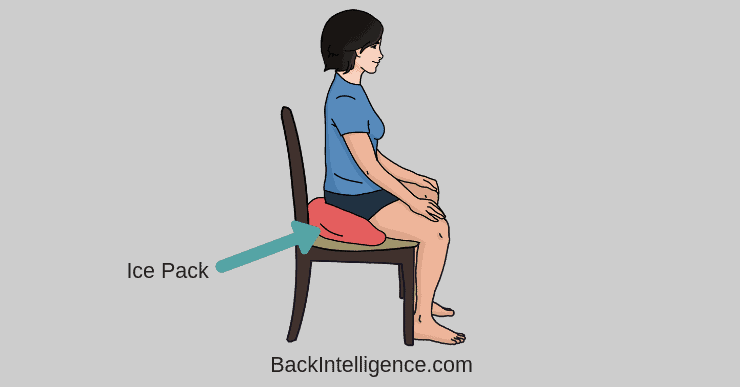
Chiropractic care often includes customized exercise programs designed to strengthen core and pelvic muscles, improve hip mobility, and enhance spinal stability. Stretching and strengthening exercises play a critical role in preventing recurrence and maintaining improvements achieved during in-office care. Patients may also receive advice on activity modification, ice or heat application, and gradual return to normal movement.
A Conservative, Drug-Free Option
For many individuals, chiropractic care provides an effective alternative to pain medication, injections, or surgical interventions. By focusing on alignment, movement, and neuromusculoskeletal function, chiropractors aim not only to reduce pain but also to address contributing factors that may otherwise go untreated.
Conclusion
Chiropractors can play a valuable role in the management of tailbone pain by addressing spinal and pelvic alignment, reducing muscular tension, improving posture, and guiding rehabilitation. While not every case of coccydynia is the same, a personalized chiropractic approach offers a safe, conservative option for many patients seeking lasting relief and improved quality of life.